Why CubeRealm Might Be the Most Underrated io Game of the Year

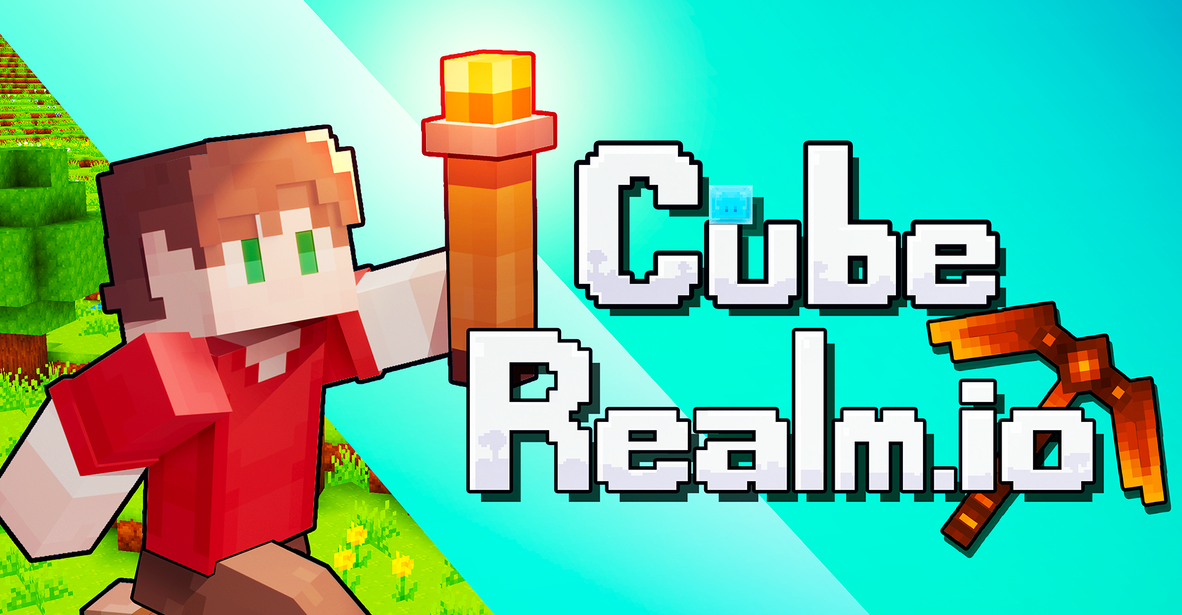
I’ve played far too many .io games – enough to know that most of them feel like clones wearing different hats. That’s why when I stumbled upon CubeRealm, I almost ignored it. But the minimalistic design caught my eye, and before I knew it, I’d fallen into yet another digital obsession.

Let me start by saying: CubeRealm isn’t just another “eat smaller things to grow bigger” game. It’s more like an ecosystem of cubes, each with its own behavior and strategies. You begin as a tiny, nearly powerless cube in a map full of resources and opponents. At first, survival is about dodging bigger players and collecting enough energy to level up. But once you grow, the game shifts – suddenly you’re the one shaping the battlefield.

One of the most unique aspects is the risk–reward system. The map has different zones, some dense with resources but dangerous because they attract stronger players. Do you risk going in for faster growth, or do you stay in the safe zones and grow slowly? I found myself weighing decisions constantly, which is something many io games never make me do. Read More

Drift Boss 2: When Skill, Luck, and Panic Collide

You ever play a game that makes you question your coordination? For me, that’s Drift Boss 2. I swear the game can sense when I’m feeling confident – that’s when it throws a sharp turn just to humble me.

The gameplay is straightforward: one button controls your drift. You click to turn, release to go straight. The car slides beautifully around corners – until it doesn’t. The moment your timing’s off by half a second, you’re watching your car fall into the abyss.

Here’s the thing: it sounds repetitive, but it’s not. The more you play, the more you realize how much rhythm and anticipation it requires. It’s like learning to play an instrument — you have to feel the beat of the road. And when you nail a perfect run, it feels incredible. Read More

Miniblox: The Puzzle Game That Fooled Me (And I Loved It)

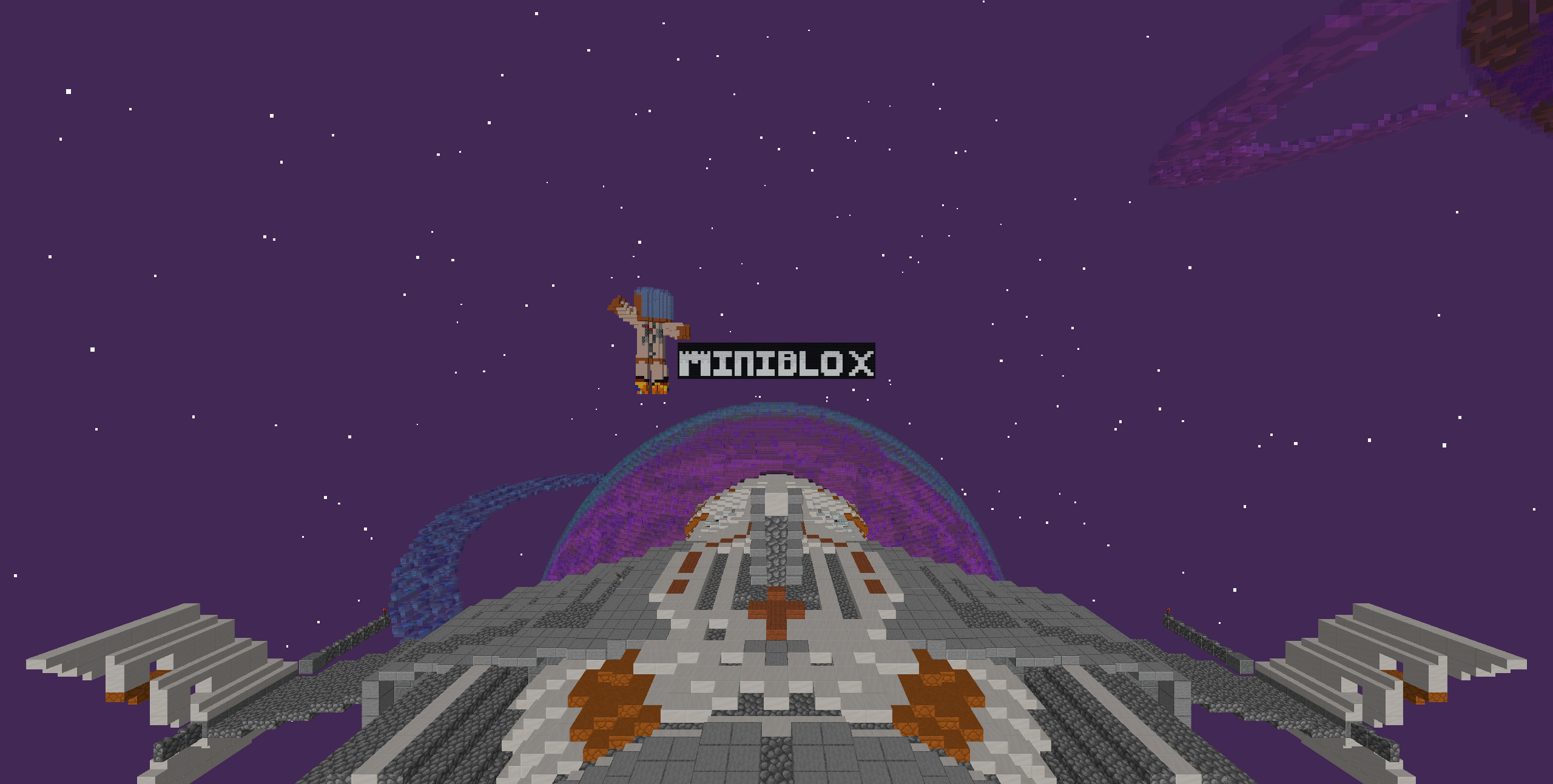
So, I stumbled upon this game called Miniblox while procrastinating on the internet — and boy, did it fool me! I thought it was just another boring block game, but nope, it’s a sneaky little challenge that totally hooked me.

The idea is simple: you get these colorful blocks, and you have to place them on a grid to clear rows or columns. Easy, right? WRONG. I quickly learned that it’s way harder than it looks. Blocks come in weird shapes (like Tetris but different), and fitting them perfectly feels like solving a Rubik’s Cube… if the Rubik’s Cube was evil.

I spent the first few rounds just randomly dragging blocks around, hoping something would happen. Spoiler: it didn’t. Then, I started noticing patterns and how important it was to plan ahead — which, honestly, blew my mind because I’m usually all about fast-paced action games, not thinking too much. Read More

Zen, Chaos, and Petal Power: Why I Keep Coming Back to Florr io

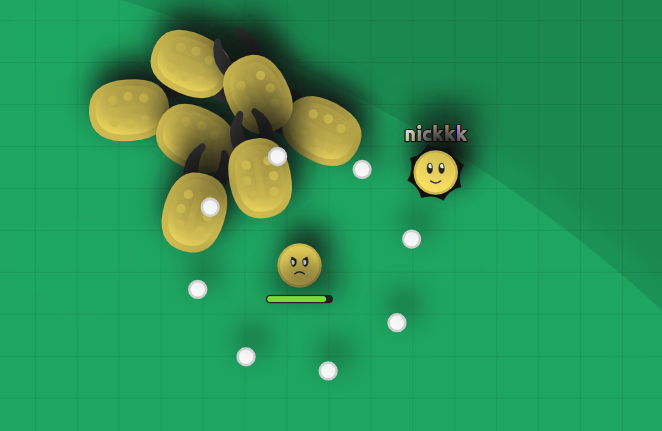
There’s something oddly peaceful about spinning around in Florr io, slicing through blobs, and watching colorful petals fall like confetti. At the same time, it’s also kind of chaotic. The enemies don’t mess around, especially once you make it past the beginner zone. But that balance of calm and chaos is exactly what makes the game so compelling.

You start out weak, with one petal and a dream. The early levels are relaxing—almost meditative. You glide around the map, pick off low-level enemies, and start collecting petals like a florist on a mission. Then things start to ramp up, and you realize that placement, strategy, and patience matter a lot more than you thought.

Florr io’s strength is its simplicity. There are no menus to fumble through, no crafting trees, no dialogue or quests. Just movement, upgrades, and survival. And yet, I find myself thinking more strategically here than in some full-fledged RPGs. Do I keep this defensive petal or swap it for one with higher DPS? Do I explore further or retreat and heal? Read More